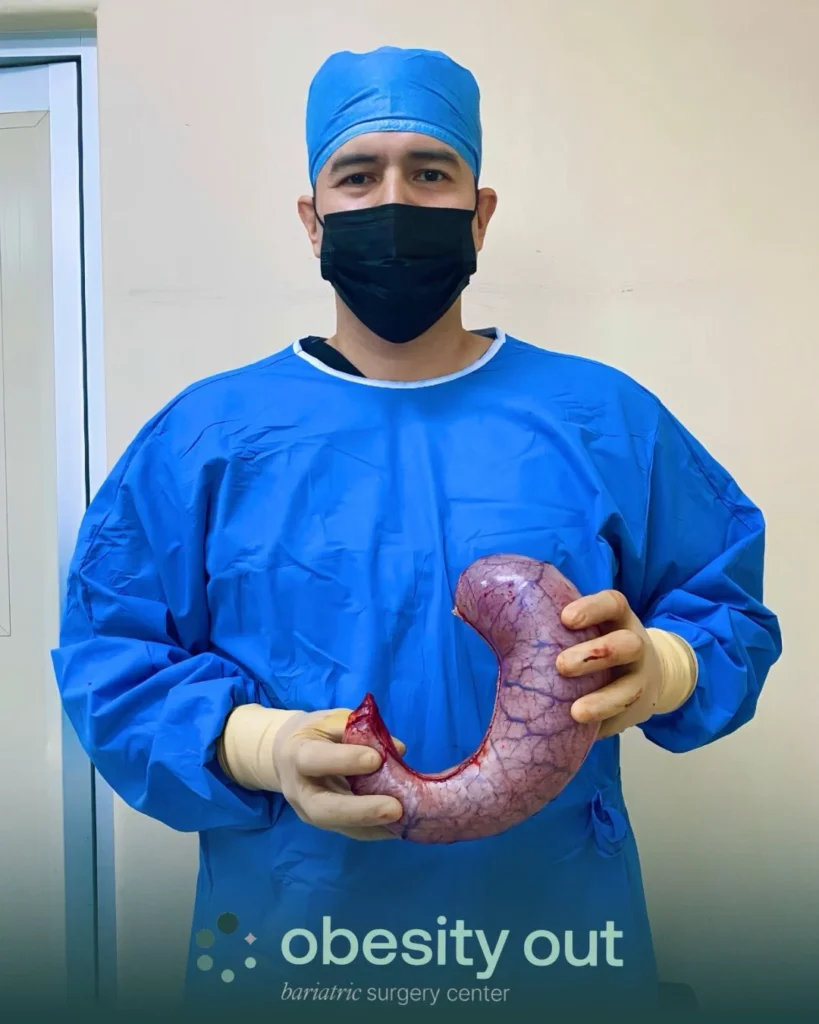
This procedure is less invasive than other bariatric methods, such as gastric bypass, and has fewer short- and long-term complications (Gagner, 2016).
Most gastric sleeve patients are ready to return to their daily activities, including work, within approximately 10 days.
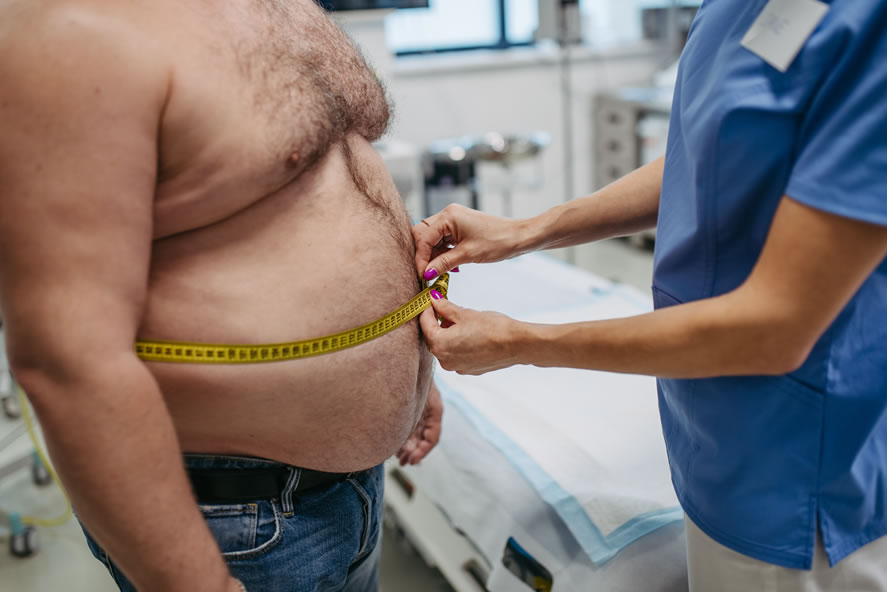
Is mainly indicated in morbidly obese patients, who have a body mass index (BMI) greater than 35 kg/m² or a BMI of 30 kg/m² with associated comorbidities, such as type 2 diabetes, arterial hypertension, sleep apnea, non-alcoholic fatty liver disease, among others.
(ASMBS, 2020)
It is also considered an option for patients who have failed to lose weight with conservative methods, such as diet, exercise and medications
(Colquitt et al., 2014)
Loss of 60-80% of excess body weight within 12 to 18 months.
Improvement/remission of associated diseases
type 2 diabetes, hypertension, sleep apnea, high cholesterol.
Gastric bypass is a bariatric surgery that combines restriction and malabsorption techniques to promote weight loss. The procedure is performed laparoscopically and involves the creation of a small gastric pouch, separated from the rest of the stomach, and its direct connection to the small intestine (Schauer et al., 2017).
This redirection prevents food from passing through much of the stomach and small intestine, thus decreasing the absorption of calories and nutrients.
Gastric bypass surgery is indicated in patients with a body mass index (BMI) greater than or equal to 35 kg/m², or greater than or equal to 30 kg/m² with obesity-related comorbidities, such as type 2 diabetes, arterial hypertension, sleep apnea, and cardiovascular disease.
(SAGES, 2018)
In addition, patients must have tried unsuccessfully to lose weight through lifestyle changes and medical treatments.
There are absolute and relative contraindications for gastric bypass surgery. Absolute contraindications include the presence of uncontrolled psychiatric disorders, substance abuse, and noncompliance with previous medical recommendations.
Relative contraindications include serious diseases unrelated to obesity, such as active cancer, and previous abdominal surgeries that make the procedure difficult to perform.
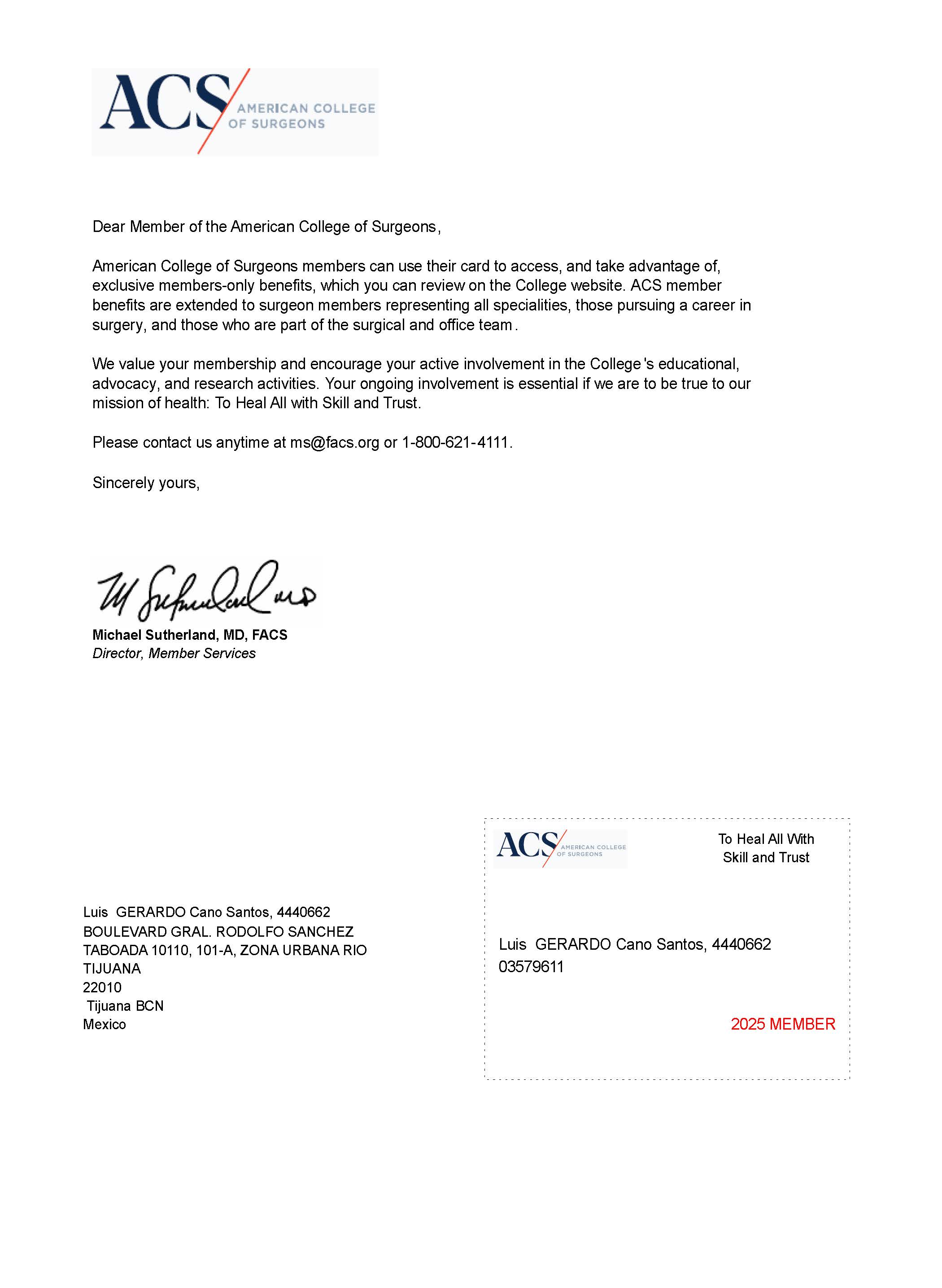
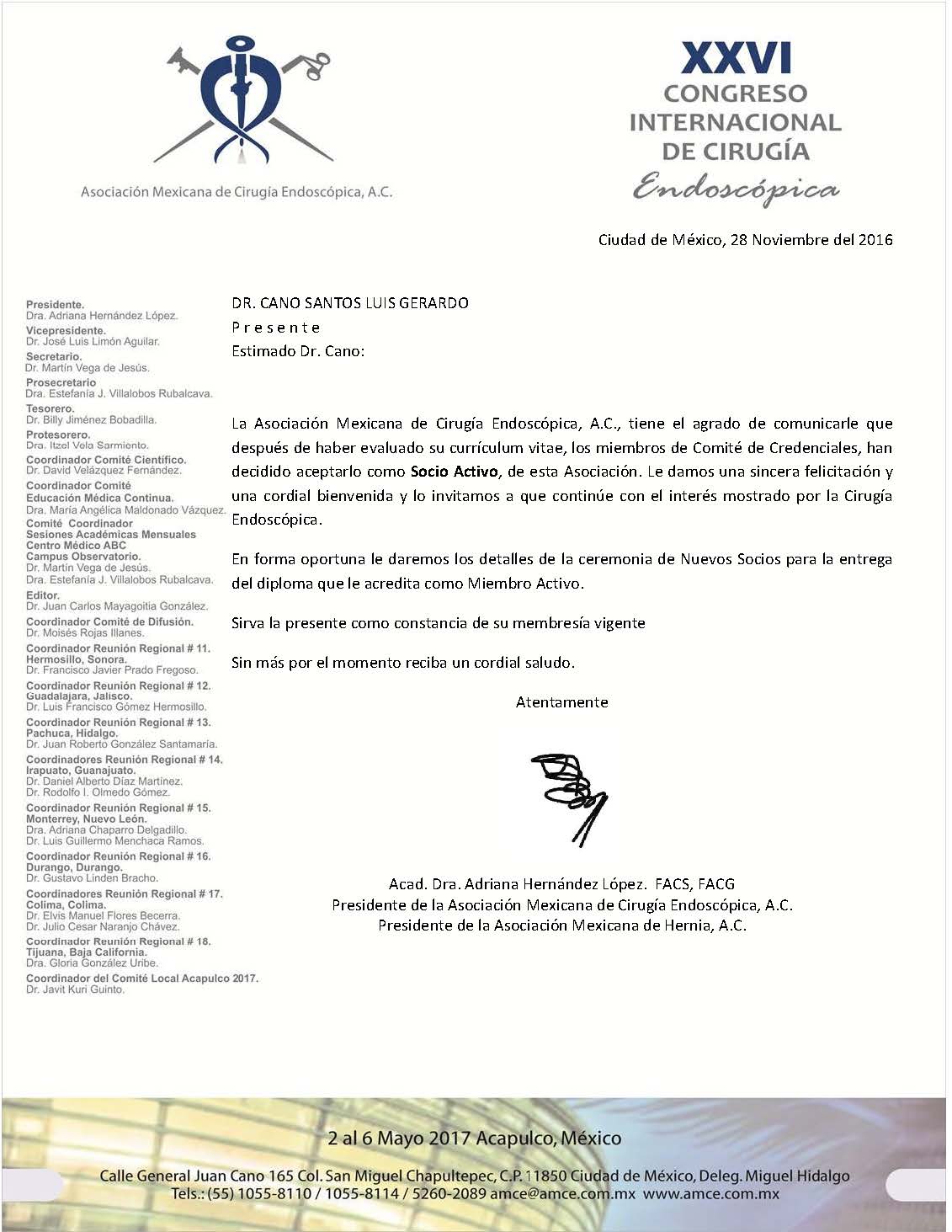
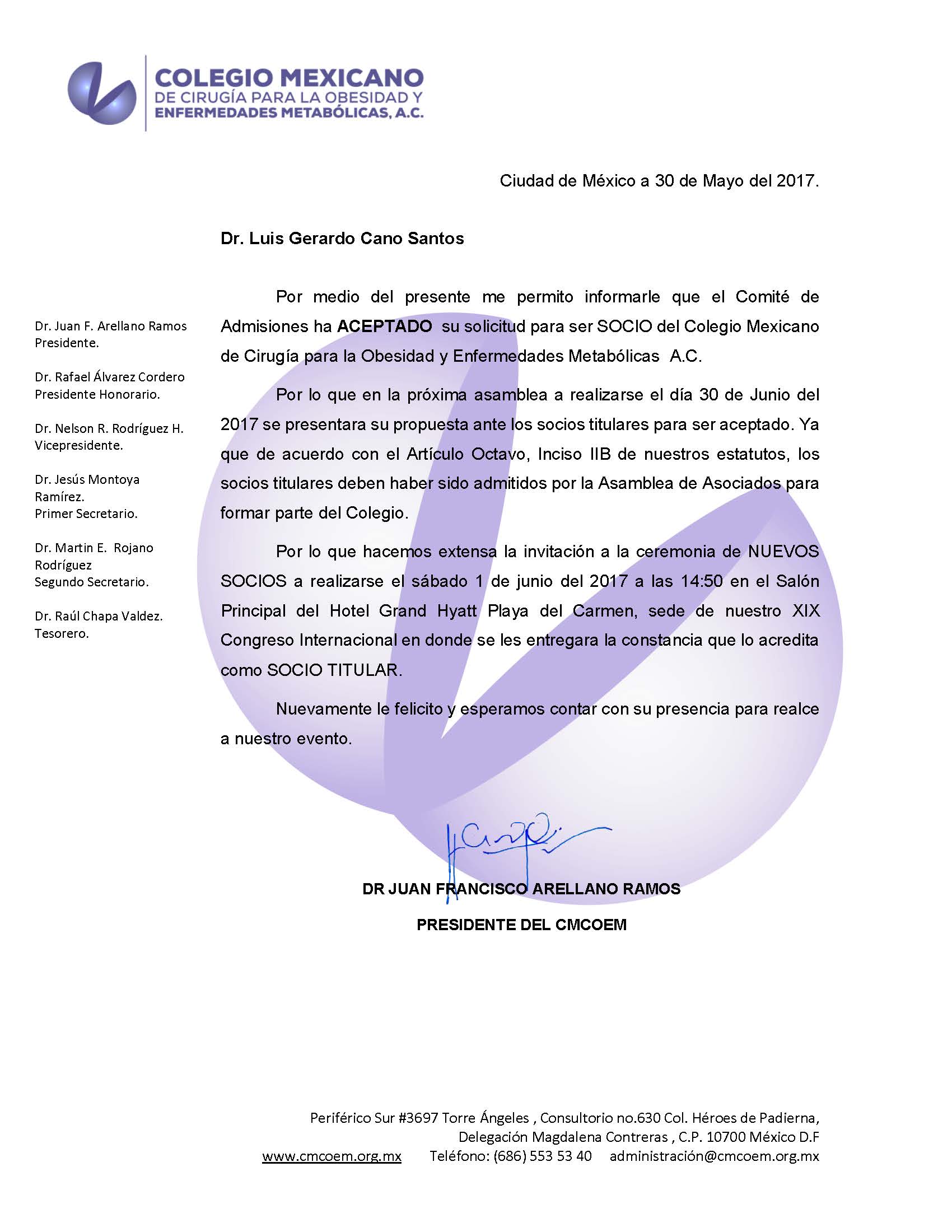
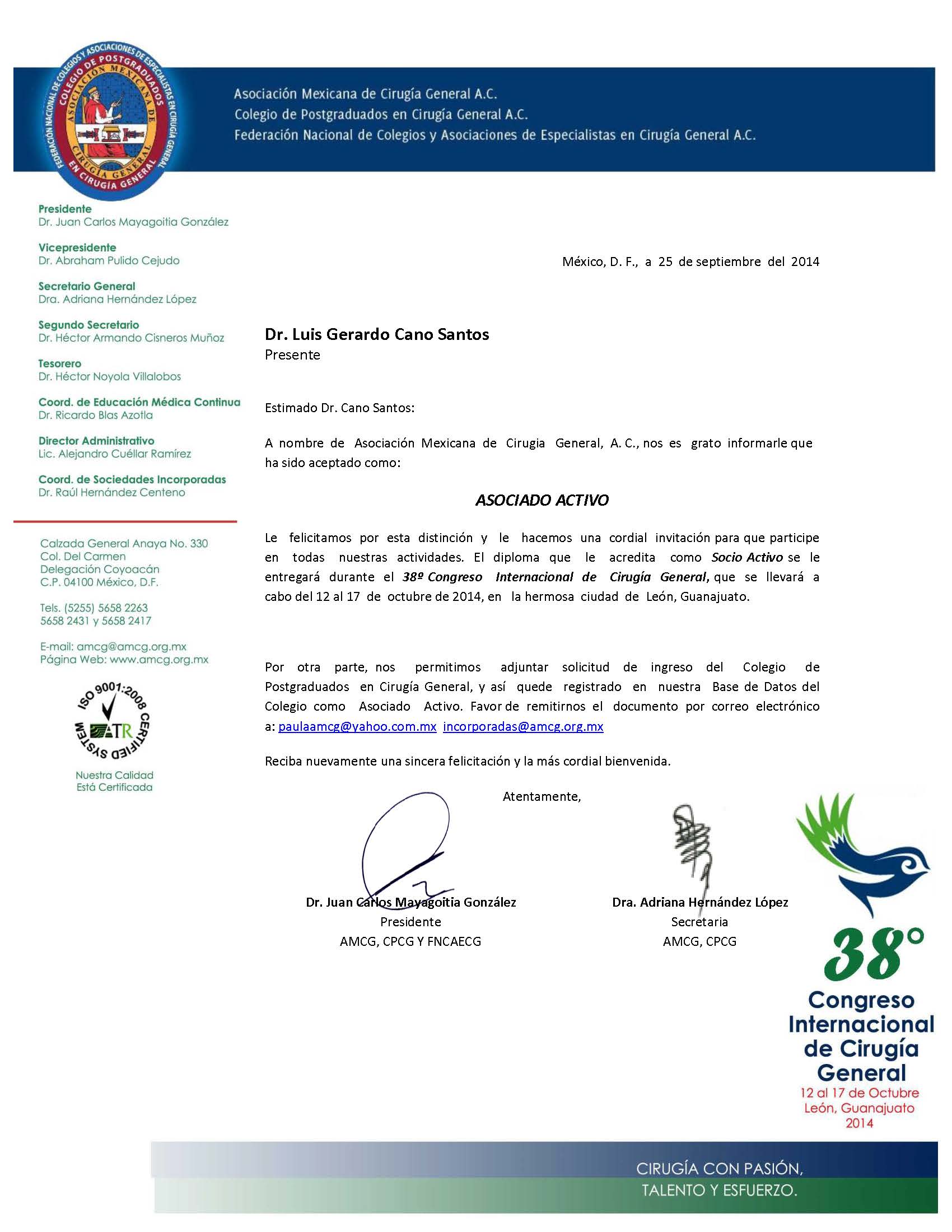
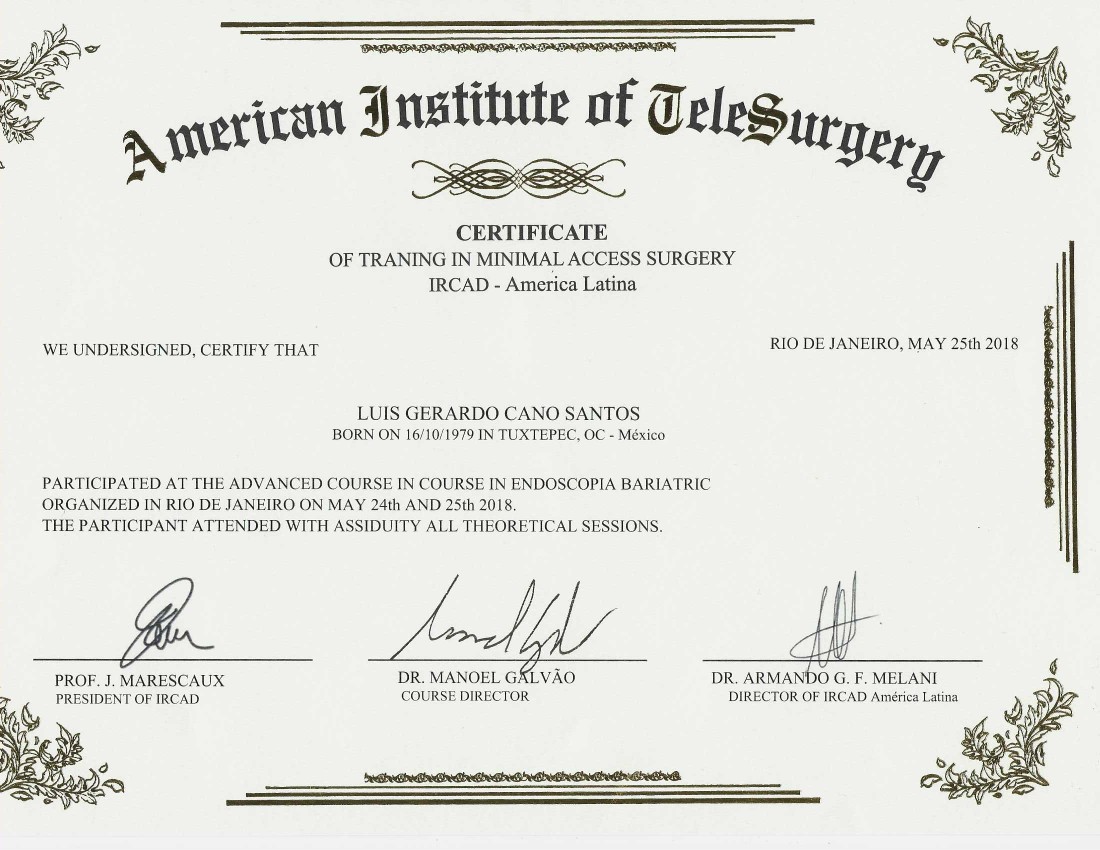
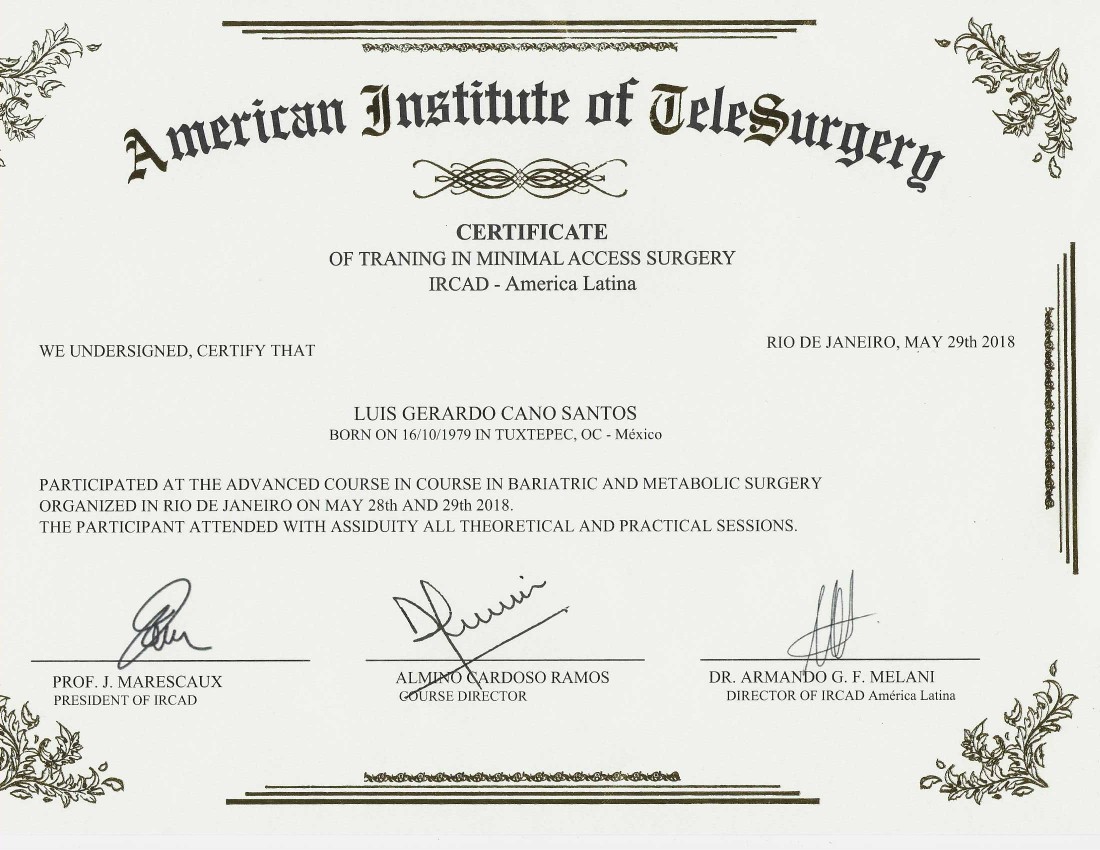
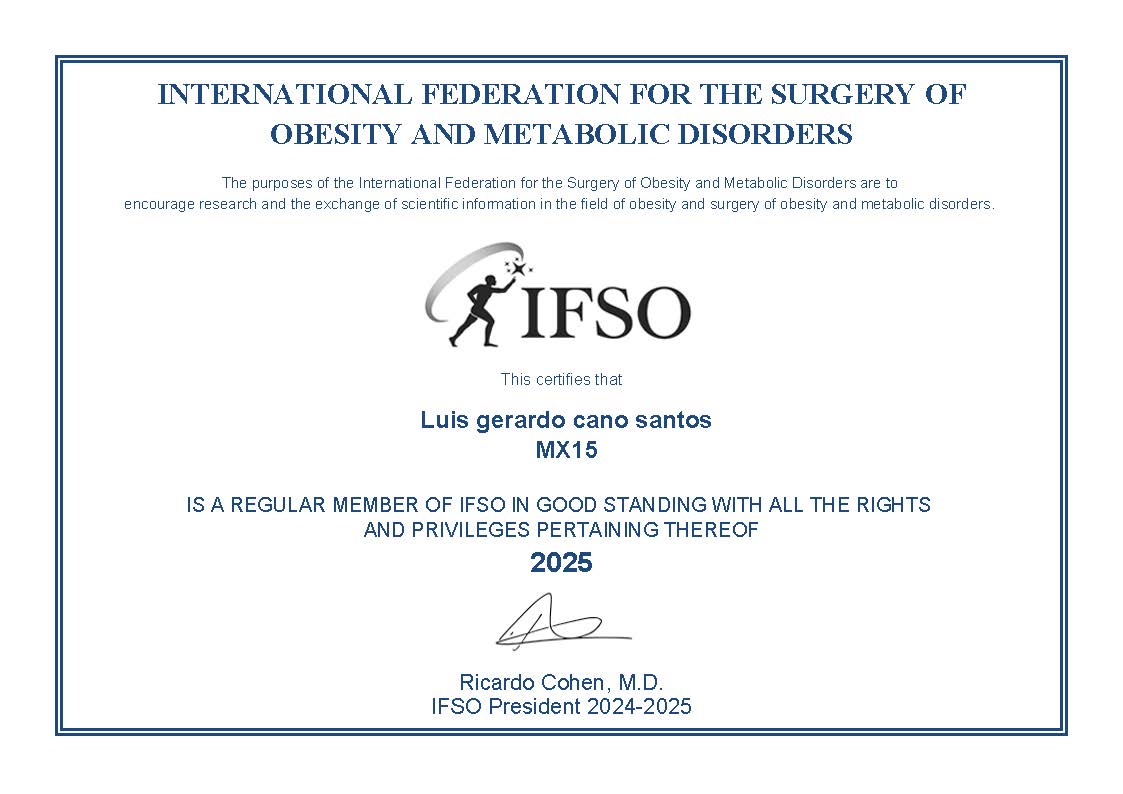
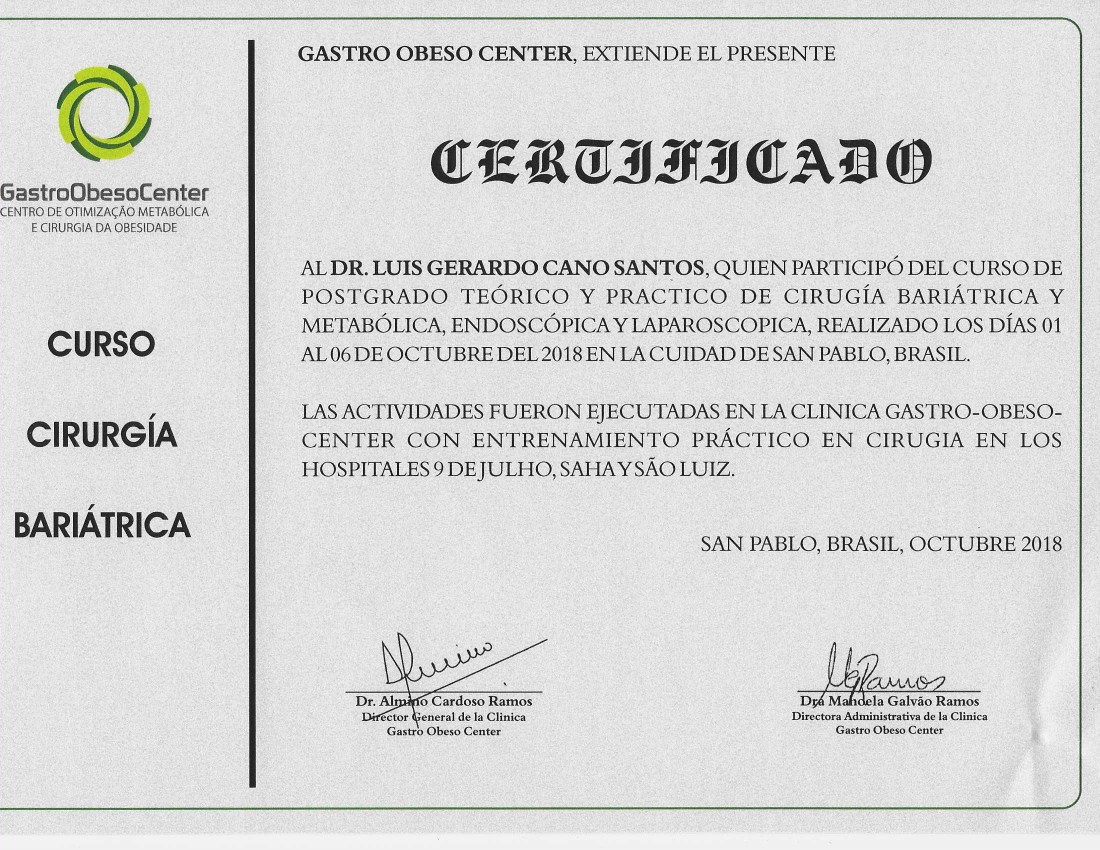
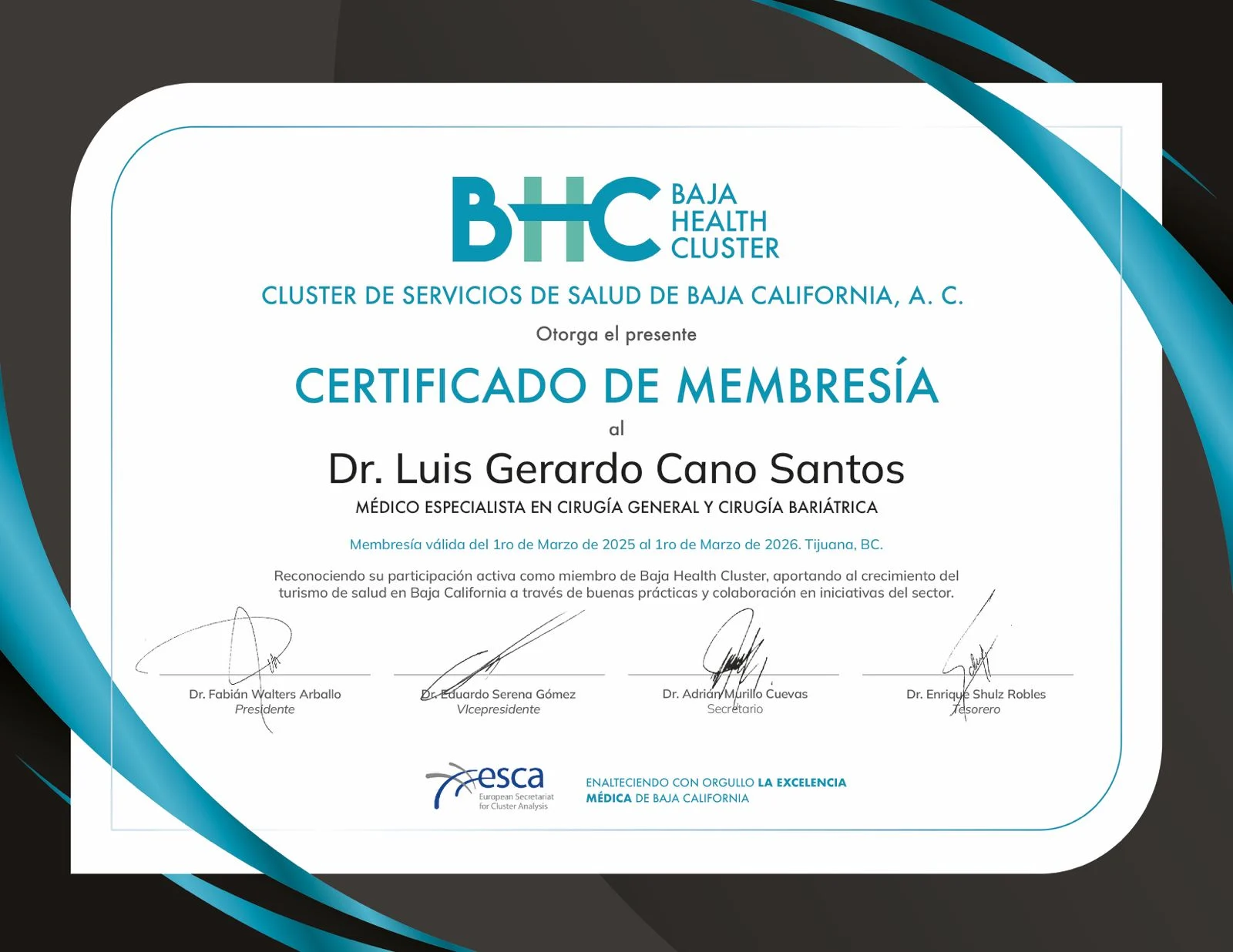
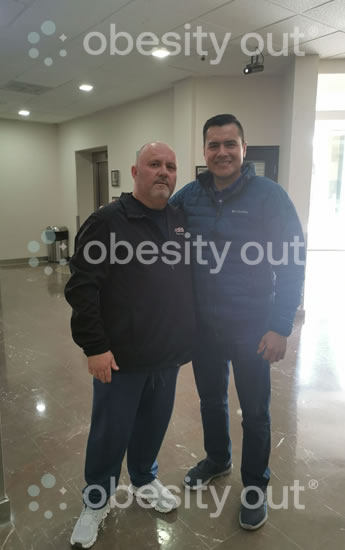
The Dr. Luis Cano is a renowned bariatric surgeon with more than 15 years of experience in the treatment of metabolic and gastrointestinal diseases. His focus on obesity surgery and commitment to high quality medicine make him an ideal choice for those seeking to improve their health and quality of life.
Bachelor’s Degree in Medicine and Surgery: Comprehensive training in integrated medical and surgical practices.
Specialization in General Surgery: Advanced expertise in surgical techniques.
High Specialty in Surgery for Obesity and Metabolic Diseases: Expert in bariatric surgery and advanced weight control procedures.
Certification as a Bariatric Surgeon by the Mexican Board of General Surgery: Meets national standards of quality in surgery.
We use cookies on our website to provide you with the most relevant experience by remembering your preferences and repeat visits. By clicking "Accept all", you agree to the use of ALL cookies. However, you can visit "Cookie Settings" to provide controlled consent.
This website uses cookies to improve your experience while you navigate through the website. Out of these, the cookies that are categorized as necessary are stored on your browser as they are essential for the working of basic functionalities of the website. We also use third-party cookies that help us analyze and understand how you use this website. These cookies will be stored in your browser only with your consent. You also have the option to opt-out of these cookies. But opting out of some of these cookies may affect your browsing experience.
Necessary cookies are absolutely essential for the website to function properly. These cookies ensure basic functionalities and security features of the website, anonymously.
Cookie
Duration
Description
cookielawinfo-checkbox-analytics
11 months
This cookie is set by GDPR Cookie Consent plugin. The cookie is used to store the user consent for the cookies in the category "Analytics".
cookielawinfo-checkbox-functional
11 months
The cookie is set by GDPR cookie consent to record the user consent for the cookies in the category "Functional".
cookielawinfo-checkbox-necessary
11 months
This cookie is set by GDPR Cookie Consent plugin. The cookies is used to store the user consent for the cookies in the category "Necessary".
cookielawinfo-checkbox-others
11 months
This cookie is set by GDPR Cookie Consent plugin. The cookie is used to store the user consent for the cookies in the category "Other.
cookielawinfo-checkbox-performance
11 months
This cookie is set by GDPR Cookie Consent plugin. The cookie is used to store the user consent for the cookies in the category "Performance".
viewed_cookie_policy
11 months
The cookie is set by the GDPR Cookie Consent plugin and is used to store whether or not user has consented to the use of cookies. It does not store any personal data.
Functional cookies help to perform certain functionalities like sharing the content of the website on social media platforms, collect feedbacks, and other third-party features.
Performance cookies are used to understand and analyze the key performance indexes of the website which helps in delivering a better user experience for the visitors.
Analytical cookies are used to understand how visitors interact with the website. These cookies help provide information on metrics the number of visitors, bounce rate, traffic source, etc.
Advertisement cookies are used to provide visitors with relevant ads and marketing campaigns. These cookies track visitors across websites and collect information to provide customized ads.